If only less than 1% of IGF-1 is circulating through your blood in the unbound state, and MGF is produced from splicing IGF-1 into MGF, than the amount relative to the 100mcg that people are currently administering is an extremely massive quantity
In preclinical research, this peptide has shown promising potential in supporting tissue regeneration, angiogenesis (new blood vessel formation), and cellular signaling related to healing
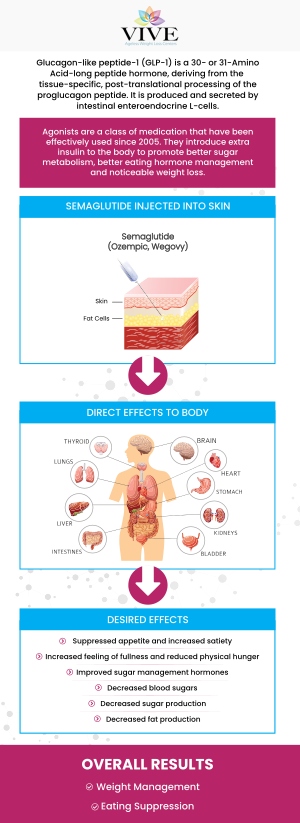
appetite-enhancing signals come from the brain peptides (known as neuropeptide Y and agouti-related peptide) to help maintain a balance between energy demands and availability
In experimental models, this synergy has translated into enhanced repair of tendons, ligaments, muscle-to-bone junctions, and cardiac tissues, with both peptides showing excellent safety profiles
Importantly, such multi-drug regimens may contribute to several of the adverse outcomes attributed to AAS in observational studies